Educational
May 05, 2026
What Is Digital Retail? Meaning, Examples & How It Drives Business Growth

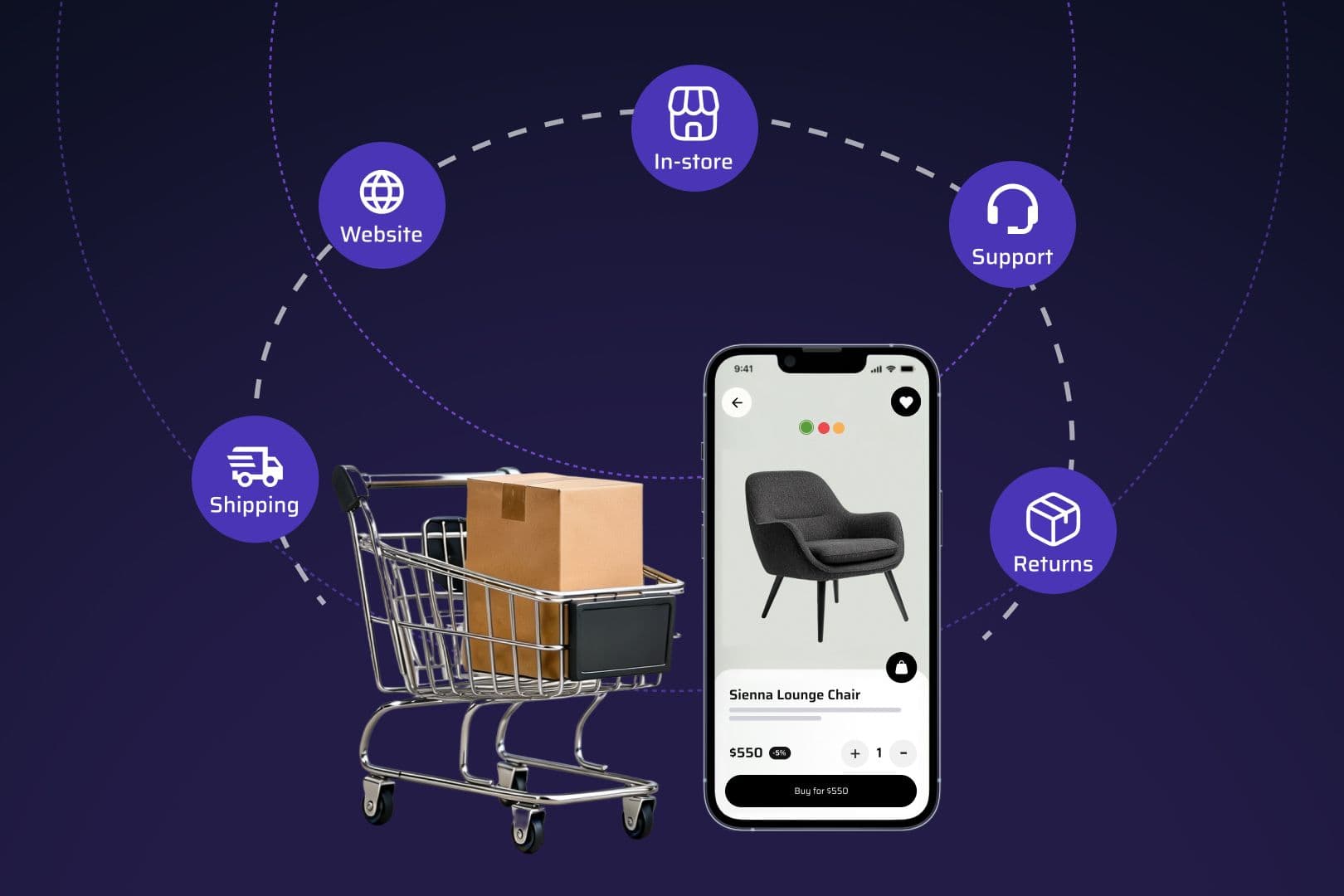
Digital retail is the full integration of technology into how a business sells, serves, and retains customers across every channel, from mobile apps and social commerce to in-store systems and AI-driven personalization.
Research published in the Journal of Retailing defines digital retail as every digital technology-enabled asset and activity a retailer uses to create, capture, communicate, and deliver value throughout the purchase process.
As per Harvard Business Review data, omnichannel customers spend 4% more in-store and 10% more online than single-channel buyers.
This guide will explore what digital retail means, how to build a strategy around it, and what separates businesses that grow from those that stall.
How Digital Retail Works to Grow Your Business?
Digital retail connects every customer touchpoint into one consistent buying experience. It covers the full sequence from product discovery to post-purchase retention, using data to make each interaction more relevant than the last.
The goal is a single operating model where channels share data instead of running in isolation.
The Buying Process
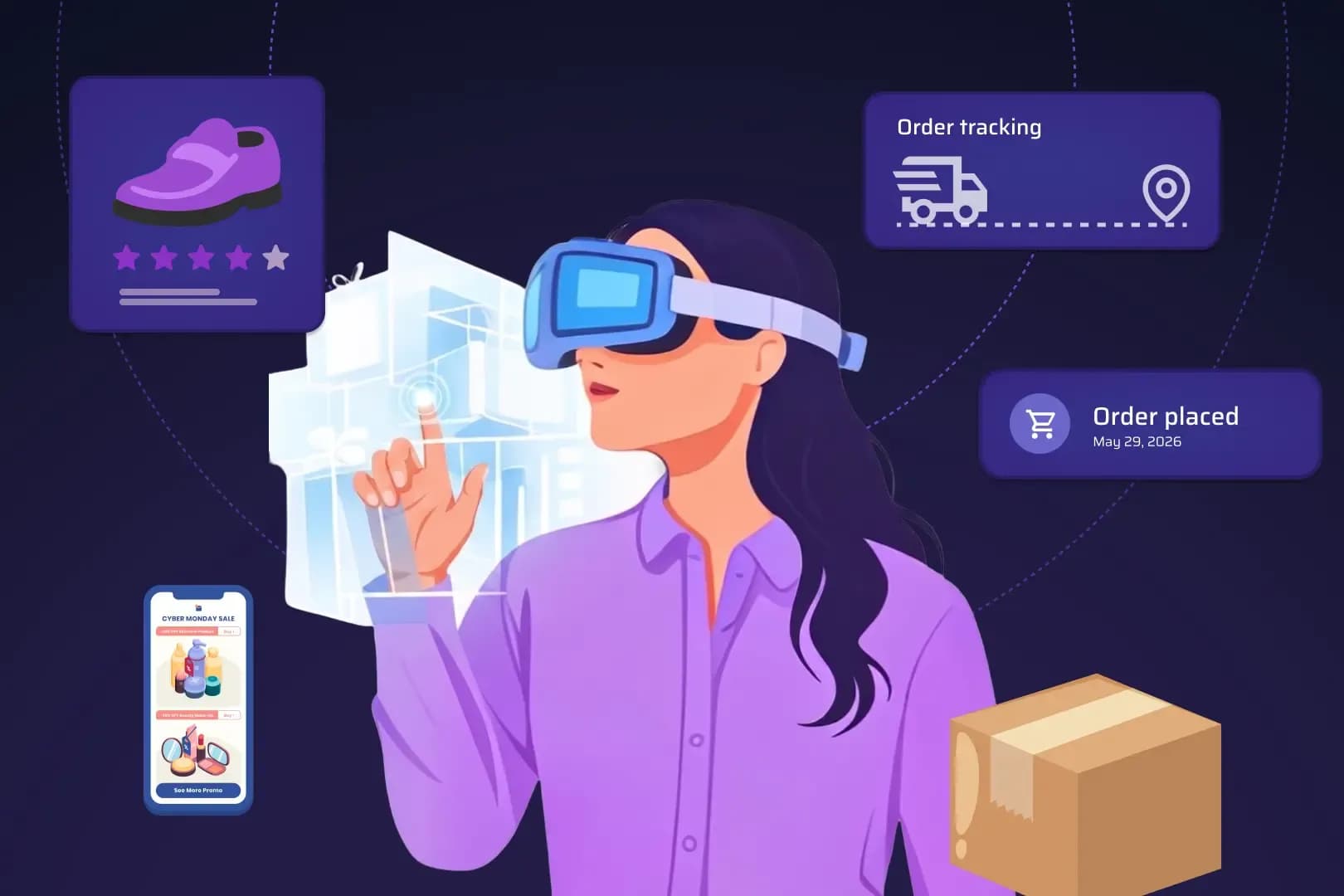
Buyers discover products through search or social media, compare them across platforms, and complete purchases on whichever channel has the least friction. The model ensures each step feeds into the next without data gaps between channels.
Core Components
Four layers make up the function:
- Channels: Website, app, social commerce, in-store kiosks
- Technology: AI, cloud computing, augmented reality
- Data: Behavioral signals, purchase history, real-time analytics
- Experience: Consistent personalization at every touchpoint
Digital Retail vs eCommerce vs Traditional Retail
Most buyers confuse these three terms. Traditional retail runs on physical stores with limited data use. eCommerce shifts transactions online but usually operates as a single channel. Digital retail connects all channels, including physical stores, apps, and post-purchase systems, into one operating model.
How to Build a Digital Retail Strategy?
A working digital retail strategy starts with the customer, not the technology. Map every touchpoint from first awareness to post-purchase, then build infrastructure around it. Retailers using advanced personalization report a 10 to 15% revenue lift and up to 30% better marketing efficiency, as per McKinsey.
5 Steps to Get Started
- Step 1: Understand how customers currently find and buy from you
- Step 2: Pick channels where your buyers already spend time
- Step 3: Add personalization tools once the foundation is stable
- Step 4: Sync inventory, CRM, and fulfillment across channels
- Step 5: Measure conversion, retention, and channel contribution, then optimize
Common Mistakes to Avoid
- Launching multiple channels before data infrastructure is ready
- Collecting customer data with no plan to act on it
- Treating mobile as a secondary channel
- Using identical messaging across all channels with no segmentation
Key Benefits of Digital Retail
Digital retail improves customer experience, raises conversions, and builds retention at a lower cost. A 2024 study found that 85% of retailers using data analytics reported better operational efficiency. The benefits compound over time as data quality improves.
Better Customer Experience
Buyers get product suggestions based on actual behavior, not guesswork. Post-purchase communication drives repeat orders without added acquisition spend.
Higher Conversion Rates
Streamlined checkout, flexible payment, and buy-online-pickup-in-store options reduce drop-off at the final stage. Real-time recommendation engines lifted Black Friday conversion rates by 15% in 2024.
Stronger Retention
Retailers leading in omnichannel execution report 23% higher customer satisfaction and 15% higher customer lifetime value, per Aberdeen Group.
Best Examples of Digital Retail in Action
These examples show how businesses at every scale apply the same principles to connect channels and grow retention. The common thread is unified data behind the experience. The common thread is unified data behind the experience.
Amazon
Amazon uses purchase history and browsing behavior to generate product recommendations at scale. Same-day delivery runs on AI-driven inventory placement, not just warehouse size.
Nike
Nike's flagship store uses the NikePlus membership program to offer a locally curated assortment and lets members reserve items in pickup lockers through the app, according to a research by McKinsey. The app, website, and store operate as one connected experience.
Small Business Example
Discovery happens on Instagram. Conversion and service move to WhatsApp. Repeat orders run through a simple CRM or loyalty message sequence.
Challenges of Digital Retail
Adoption costs and legacy system issues affected 58% of traditional retailers during their digital transition in 2023. Most barriers are operational, not strategic, and they can be solved in sequence rather than all at once.
Legacy systems often cannot connect with modern digital retail tools, so start with one integration layer, usually CRM or inventory, before expanding further. Data privacy becomes a problem when businesses collect information without clear consent.
Build compliance first, then layer personalization on top. Centralizing customer data into one platform before adding new channels prevents inconsistency at the source.
Ready to Turn Your Retail Business Digital?
Retail businesses without a connected digital system are losing buyers to competitors who have built one. Digital retail is the current operating standard for brands that want to grow retention, reduce acquisition costs, and compete on experience rather than price.
Our team works with retail businesses on SEO visibility, lifecycle marketing, personalization, and omnichannel automation.
Talk to us about your digital retail strategy today and get a free consultation.
Frequently Asked Questions About Digital Retail
What is digital retail in simple terms?
Digital retail is using technology to sell, serve, and retain customers across every channel, including website, app, store, and social, as one connected system.
Is digital retail the same as eCommerce?
No. eCommerce is one channel within digital retail. Digital retail connects all channels, including physical stores, apps, and post-purchase systems, into one operating model.
What are examples of digital retail?
Amazon using AI for personalization, Nike connecting its app and store through one membership program, and small businesses using Instagram for discovery and WhatsApp for conversion are real examples.
Why is digital retail important?
Buyers move across multiple channels before purchasing. Businesses without a connected system lose those buyers before the transaction is complete.
How can small businesses use digital retail?
Start with one channel, capture customer data from the first purchase, use email or WhatsApp to drive repeat orders, and add personalization as the customer base grows.